English Language Learners / Dual Language Learners / Multicultural Education Support – Language Lizard Blog

LANGUAGE & LITERACY BLOG

ELLs / DLLs, Schools,

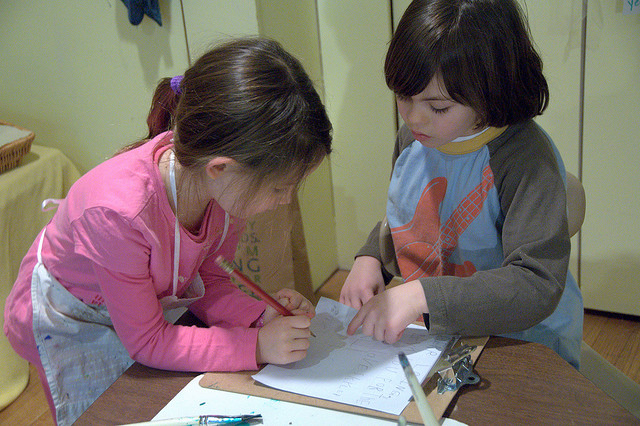
THE VALUE OF COOPERATIVE LEARNING ACTIVITIES FOR ENGLISH LANGUAGE LEARNERS

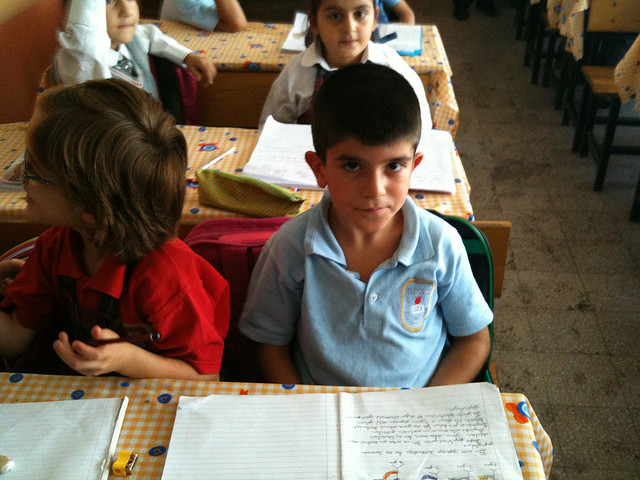
Do you remember dreading group projects when you were in school? Inevitably, our teacher would pair us up with someone we hardly knew and begrudgingly we participated in the activity. Of course, by the end of the project we knew our classmate better than ever while having had a wonderful time. For English Language Learners, cooperative learning activities have been shown to help improve academic performance as well as increase motivation, strengthen self-esteem, encourage student bonding and promote literacy skills.  Of course,............. CONTINUE READING
Classroom, Lesson Plans,

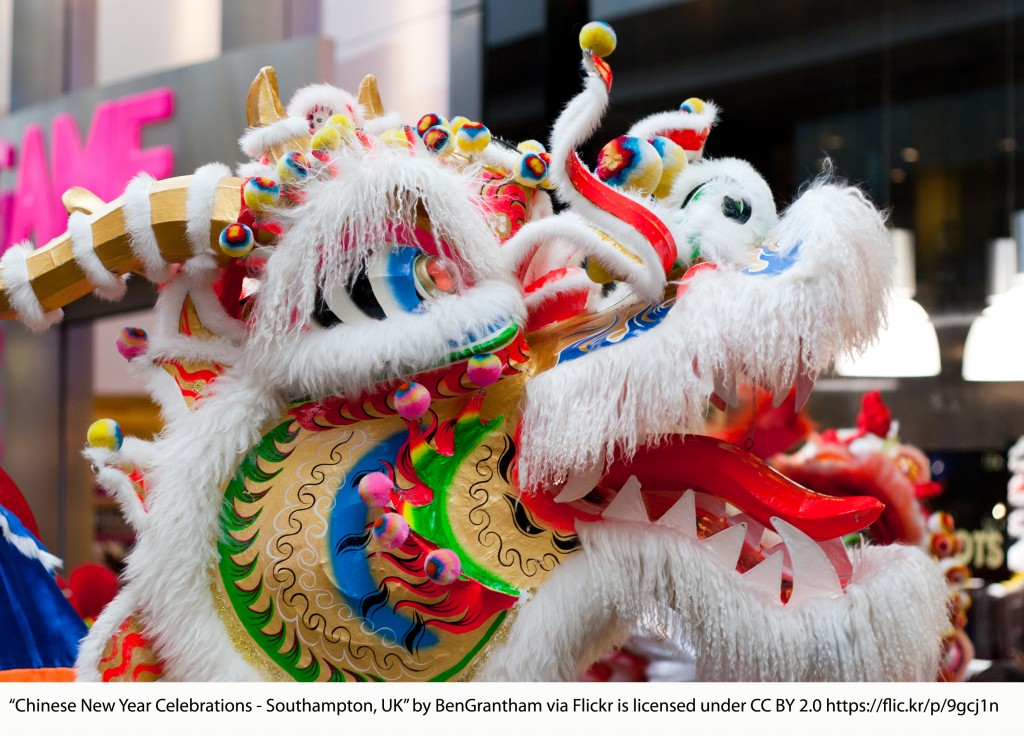
CHINESE NEW YEAR: LESSONS TO HELP CHILDREN APPRECIATE CULTURAL AND LINGUISTIC DIVERSITY

Chinese New Year is almost here! Chinese families around the world are already celebrating this exciting event which lasts for fifteen days. The celebration begins on the night of a new moon and culminates with the Lantern Festival, a celebration that takes place under the light of the full moon. Families join together in the streets carrying lighted lanterns to create a beautiful light display. Before the Chinese New Year begins, homes are cleaned from top to bottom. The goal is to sweep............. CONTINUE READING
At Home, Community Support, Families,

SUPPORTING BILINGUALISM: 4 REASONS PARENTS SHOULD SPEAK HERITAGE LANGUAGES AT HOME

Although the United States has been dubbed “the graveyard of languages” for its lack of heritage language support, today’s children’s futures need not be so bleak. Given the right encouragement, immigrant families can pass on the best of both worlds to their children: a home language in addition to the community language. For many decades there has been a common misconception that immigrant families will help their children most by completely switching to English in the home. The belief is that the............. CONTINUE READING
At Home, Classroom, Families, Schools,

BILINGUAL CHILDREN: 5 TIPS FOR USING LANGUAGE IN CONTEXT

There are so many wonderful ways for our children to learn languages today. Online programs offer interactive multimedia opportunities that we could have only dreamed of having when we were young. Bilingual books and DVDs can be found in many libraries around the country, and children’s language learning classes abound. What parents and teachers sometimes forget is the value of context when it comes to learning a language. Flash cards and online vocabulary games can be fun, but they don’t offer the............. CONTINUE READING
Book Reviews,

MULTICULTURAL AND LANGUAGE-LEARNING GIFTS: OUR TOP TIPS FOR HOLIDAY GIFT-GIVING

Twinkling lights, fires in the fireplace, and the smell of fresh pine needles – the holidays are upon us! For many, the most difficult part of this time of year is figuring out the perfect gift for friends and loved ones. For those of you looking for bilingual and multicultural products, we have put together a list of some favorites which would make perfect holiday gifts for young language learners, multicultural children and a special teacher. Let us know............. CONTINUE READING
Book Reviews,

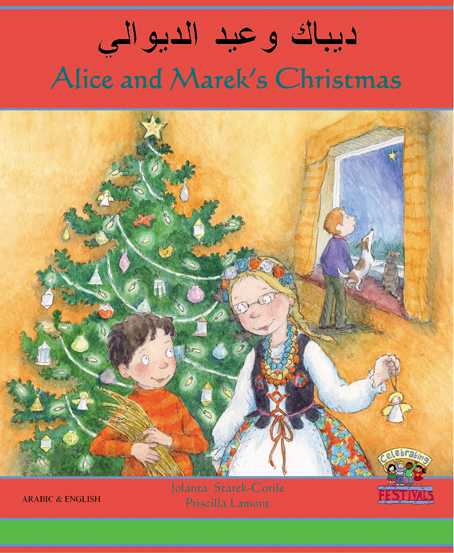
BILINGUAL BOOK REVIEW: MAREK AND ALICE’S CHRISTMAS

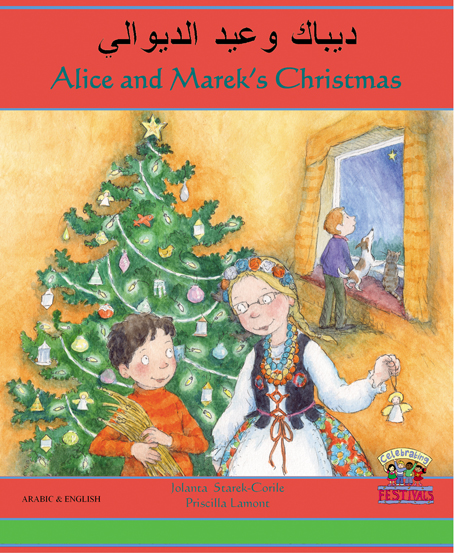
Marek and Alice’s Christmas Written by Jolanta Starek-Corile Illustrated by Priscilla Lamont Paperback Ages 3-8 Review by Maureen Pugh This brightly illustrated book is part of our celebration series, which explores the way people celebrate different festivals around the world. In the story, Marek, his sister Alice, and their parents are visiting their extended family including their babcia (grandmother), dziadek (grandfather) and prababcia (great-grandmother) in Poland. All are involved in preparing for the big Christmas celebration and Marek is full of questions. Why does prababcia put hay............. CONTINUE READING
Classroom, Schools,

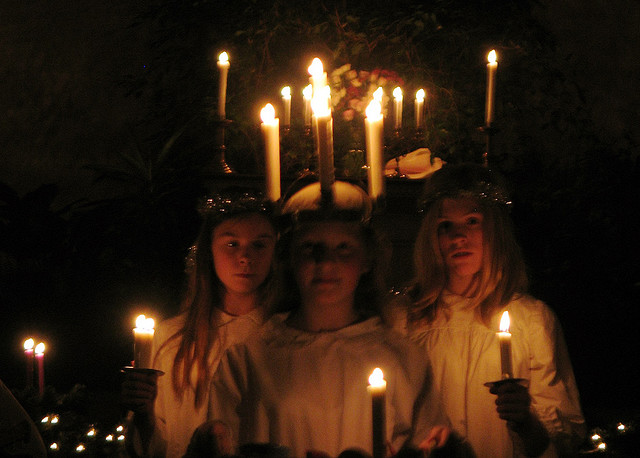
10 TIPS ON CELEBRATING CULTURAL DIVERSITY IN THE CLASSROOM THIS WINTER SEASON

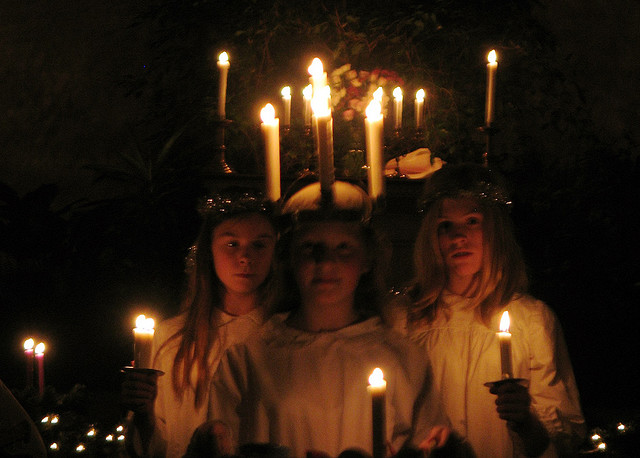
Santa Lucia celebration As the days shorten and the weather turns cold and crisp, families are warming up with their winter holiday celebrations. Candles, lights, sweets and gifts highlight this time of year in many cultures around the world. Although celebrating specific religious traditions is not permitted in most classrooms in America, there is no reason for teachers to avoid winter holidays all together. In fact, teaching about winter traditions can be a wonderful way to help bilingual children, in particular, feel even............. CONTINUE READING

At Home, Schools,

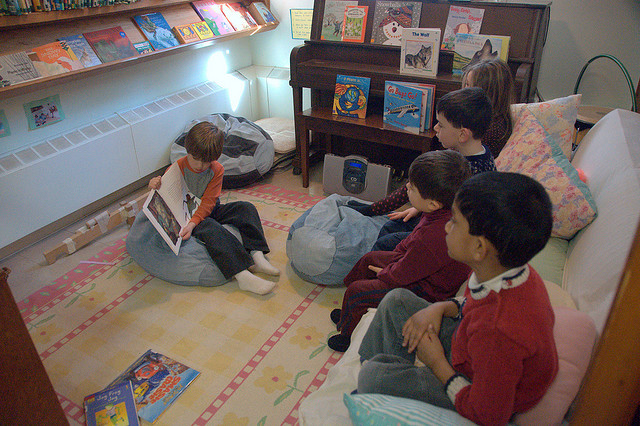
CHILDREN’S BOOKS: STICK WITH THE REAL THING!

As a recent article from the New York Times reminds us, when it comes to children’s books, print is still where it’s at. E-books may be perfect for a bus ride home after a long day in the office, easily tucked away into a briefcase or backpack. And an iPad can help distract us and our children during a long wait in the doctor’s office. But when it comes to the beloved bedtime story or a read-aloud at............. CONTINUE READING
At Home, Schools,

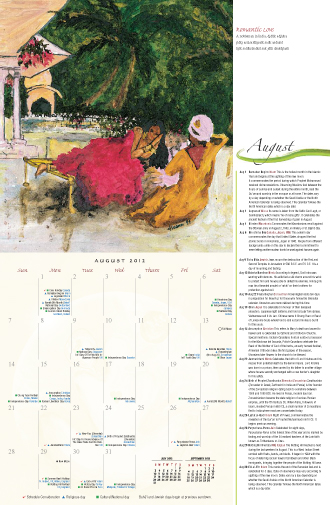
MULTICULTURAL CALENDAR – DIVERSITY CALENDAR 2012

With the holiday season approaching, we wanted to let you know about a wonderful Multicultural Calendar that we recently discovered. This calendar would make a great gift for educators, families and organizations who celebrate diversity and teach children about other cultures and holidays.  In fact, we liked it so much that Language Lizard has decided to give a few away! Developed by artist Sheena Singh, this beautiful calendar includes hundreds of multicultural, multi-faith and diversity related holidays and observances.  It provides............. CONTINUE READING

Schools,

THANKSGIVING AND IMMIGRANT CULTURES

Is this what you will teach your students this Thanksgiving? By guest author: Corey Heller Stories about the origins of the North American celebration of Thanksgiving abound. Some attribute it to the Pilgrim’s prayerful appreciation for having survived an arduous journey across the sea. Others claim that it commemorates the kindness of the Native Americans who helped them survive a cold winter without food. Still others say it stems from the originally pagan tradition of giving thanks for yet another bountiful summer crop. Whatever............. CONTINUE READING
Scroll to Top