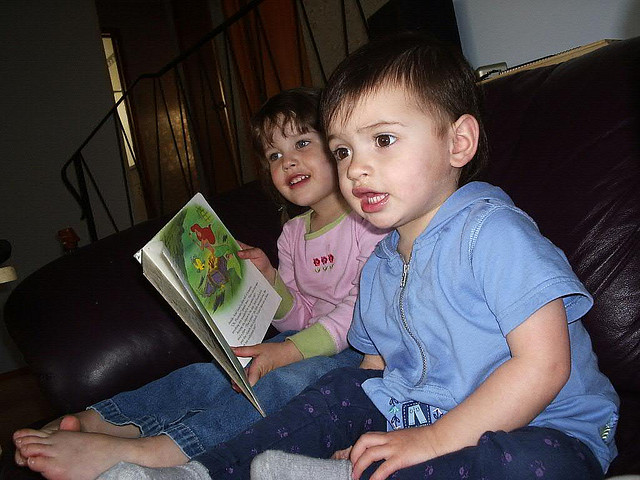

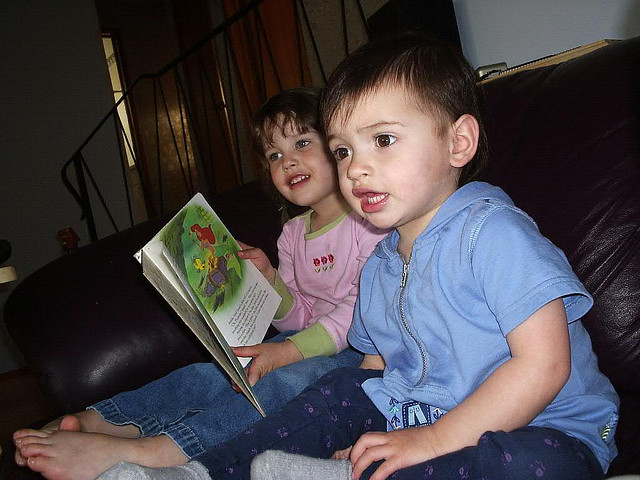
As a recent article from the New York Times reminds us, when it comes to children’s books, print is still where it’s at. E-books may be perfect for a bus ride home after a long day in the office, easily tucked away into a briefcase or backpack. And an iPad can help distract us and our children during a long wait in the doctor’s office. But when it comes to the beloved bedtime story or a read-aloud at............. CONTINUE READING
LANGUAGE & LITERACY BLOG
November 26, 2011
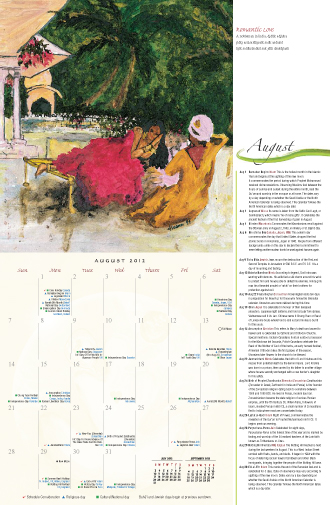
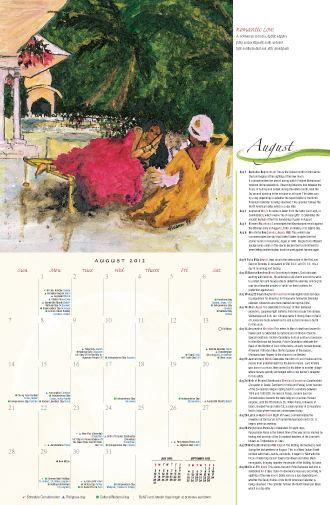
With the holiday season approaching, we wanted to let you know about a wonderful Multicultural Calendar that we recently discovered.
This calendar would make a great gift for educators, families and organizations who celebrate diversity and teach children about other cultures and holidays. In fact, we liked it so much that Language Lizard has decided to give a few away!
Developed by artist Sheena Singh, this beautiful calendar includes hundreds of multicultural, multi-faith and diversity related holidays and observances. It provides............. CONTINUE READING

Is this what you will teach your students this Thanksgiving?
By guest author: Corey Heller
Stories about the origins of the North American celebration of Thanksgiving abound. Some attribute it to the Pilgrim’s prayerful appreciation for having survived an arduous journey across the sea. Others claim that it commemorates the kindness of the Native Americans who helped them survive a cold winter without food. Still others say it stems from the originally pagan tradition of giving thanks for yet another bountiful summer crop.
Whatever............. CONTINUE READING
As we all know, reading comprehension is essential in today’s world. It is necessary for mastering subjects in school, working at jobs, and deciphering written communications. Without it, we might be able to pronounce words on the page but would not be able to make sense of what the words mean when put together.
Reading comprehension demands that we create images and connections in our head based on the combination of words that we are reading. The more familiar we are with............. CONTINUE READING

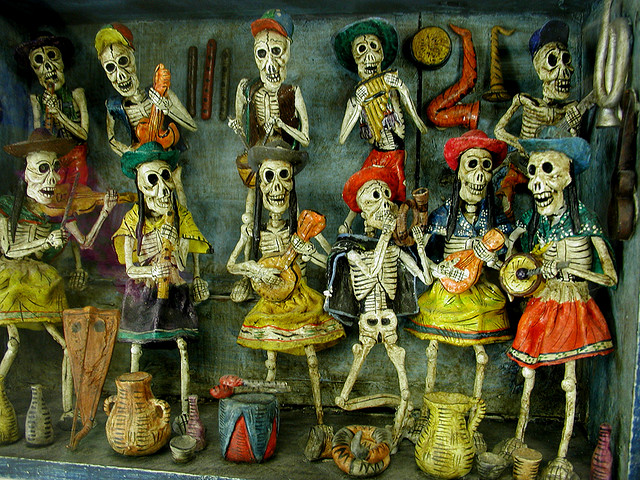
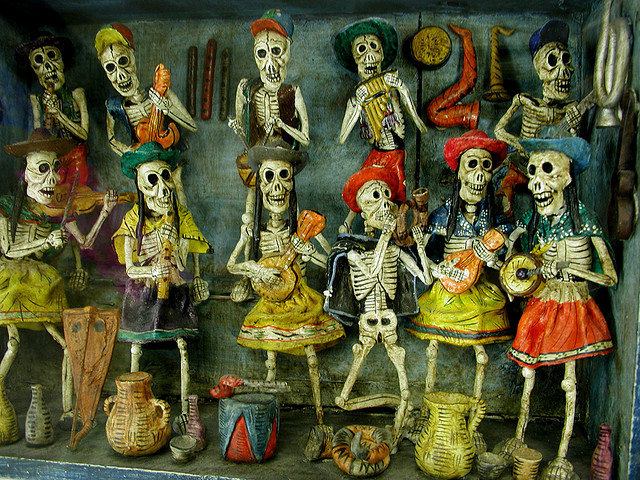
Display for Día de los Muertos (or Day of the Dead in English), a holiday celebrated mainly in Mexico and by people of Mexican heritage living in the United States and Canada. The holiday is dedicated to the remembrance of friends and relatives who have died.
The air is becoming cold and crisp. Leaves are turning a vibrant gold, red and purple. Pumpkins dot the countryside and hay rides are a dime a dozen. Autumn is in full swing.
In addition to the............. CONTINUE READING
THANK YOU to everyone who participated in Language Lizard’s $250 Bilingual Book Giveaway! We were impressed with the number of entrants and very inspired by the feedback we received from participants! You are all working so hard to improve literacy and language skills among dual language learners.
We also appreciate all your efforts to teach children about other cultures and support a greater understanding of diversity and our multicultural community. If you would like to read some of the comments of our............. CONTINUE READING
October 18, 2011
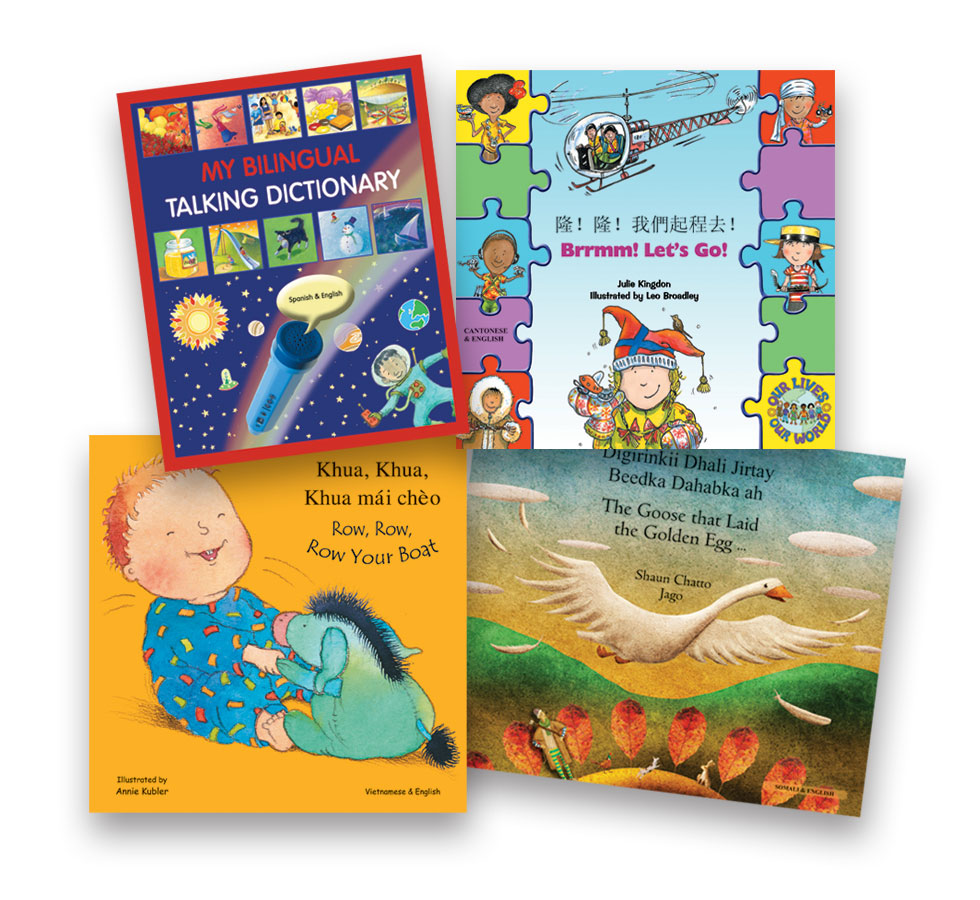
In continuation of our celebration of The Bilingual Child Month, we’d like to share with you a review of three bilingual books that explore and celebrate global diversity. Read these books with your students to help them appreciate children just like them from around the world.
Goal! Let’s Play! – written by Joe Marriott and illustrated by Algy Craig Hall
Yum! Let’s Eat! – written by Thando Maclaren and illustrated by Jacqueline East
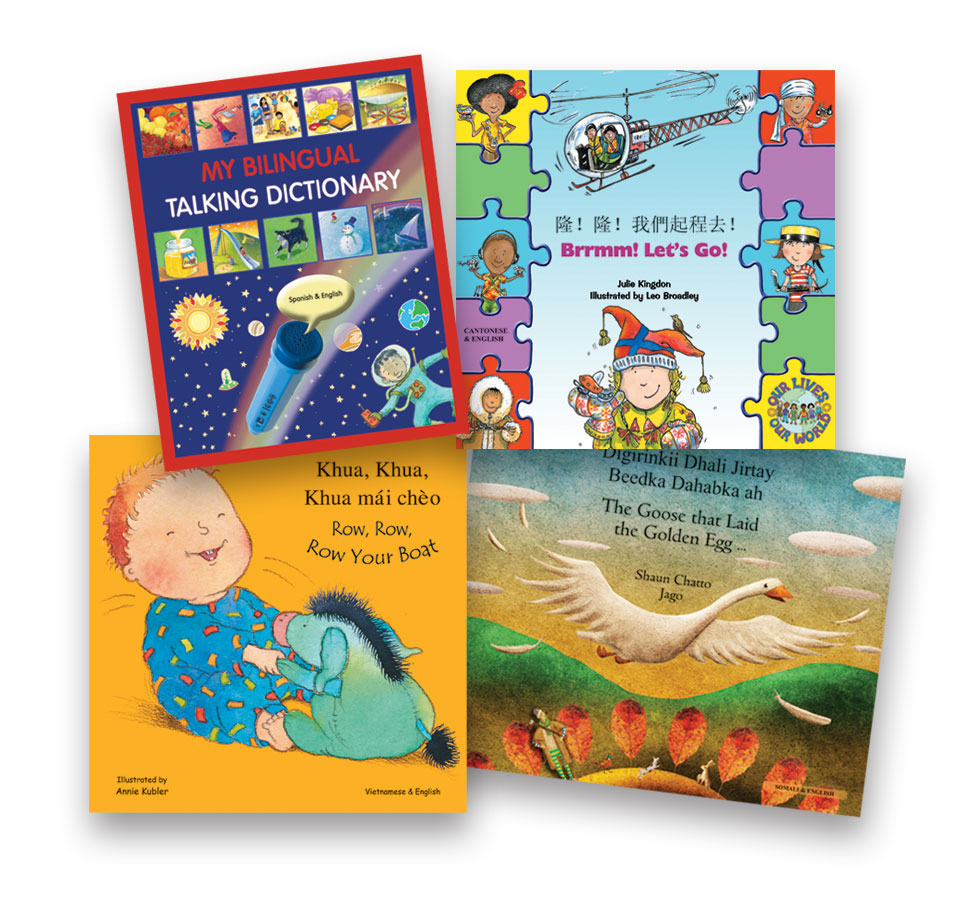
Brrmm!............. CONTINUE READING
October is here which means it is time to focus on celebrating bilingual children!
Although we know that childhood bilingualism is fabulous and fantastic, it feels as if many in this country haven’t yet come to realize this (let alone celebrate it).
When it comes to bilingual children, words such as worry and concern are often used: “We are concerned that the bilingual children in this country won’t learn English, especially if their parents speak to them in their heritage languages at home.”............. CONTINUE READING
September 27, 2011
The research extolling the benefits of bilingualism abounds in today’s day and age. Bilingualism helps us better understand the structure of languages and can give us an in-depth view of another culture. Bilingualism can delay the onset of Alzheimer’s symptoms. It can help people find jobs here in the United States and in other countries.
Although most of us in the United States don’t start learning additional languages until middle school or college, for some time............. CONTINUE READING

September 19, 2011
As schools open their doors each fall, students from all walks of life enter. Each has the opportunity to share with other students in the amazing experience of education. Wide-eyed and anxious, children slowly lower their guard and allow themselves to get comfortable with their teachers, fellow students and surroundings. The hope is that this experience will be filled with joy and comfort for each and every student.
For many English Language Learners (ELLs), school is a place of laughter, fun and............. CONTINUE READING