
English Language Learners / Dual Language Learners / Multicultural Education Support – Language Lizard Blog

LANGUAGE & LITERACY BLOG

At Home, Community Support, Language Spotlight,

RUSSIAN LANGUAGE & RUSSIAN BOOKS: FACTS, FIGURES & RESOURCES

Today’s spotlight language is Russian. Below, we offer background and interesting facts about the language, as well as information to help you find Russian children’s books. Where is it spoken? Russian is the national language of Russia, as well as Belarus, Kazakhstan, Kyrgyzstan. It’s also widely used in other European countries like Ukraine, Latvia, and Estonia. Russian is one of the most widely spoken languages in the world. There are approximately 260 million speakers worldwide. It’s one of six official languages of the United Nations. How Many............. CONTINUE READING
Holidays,

CINCO DE MAYO – HISTORY AND CELEBRATIONS

In the US, we know that Cinco de Mayo is Spanish for “5th of May,” and is celebrated on that date. But most of us don’t know much else about this holiday. Below, our guest author provides some history and facts about Cinco de Mayo. Not “Mexican Independence Day” There is a common misconception that Cinco de Mayo is Mexican Independence Day. In fact, there’s an entirely different date – September 16th – known as Día de la Independencia, which is the date in 1810............. CONTINUE READING
Community Support, Dual Language, ELLs / DLLs, Libraries,

MULTICULTURAL, MULTILINGUAL LIBRARIES FOR DIVERSE COMMUNITIES

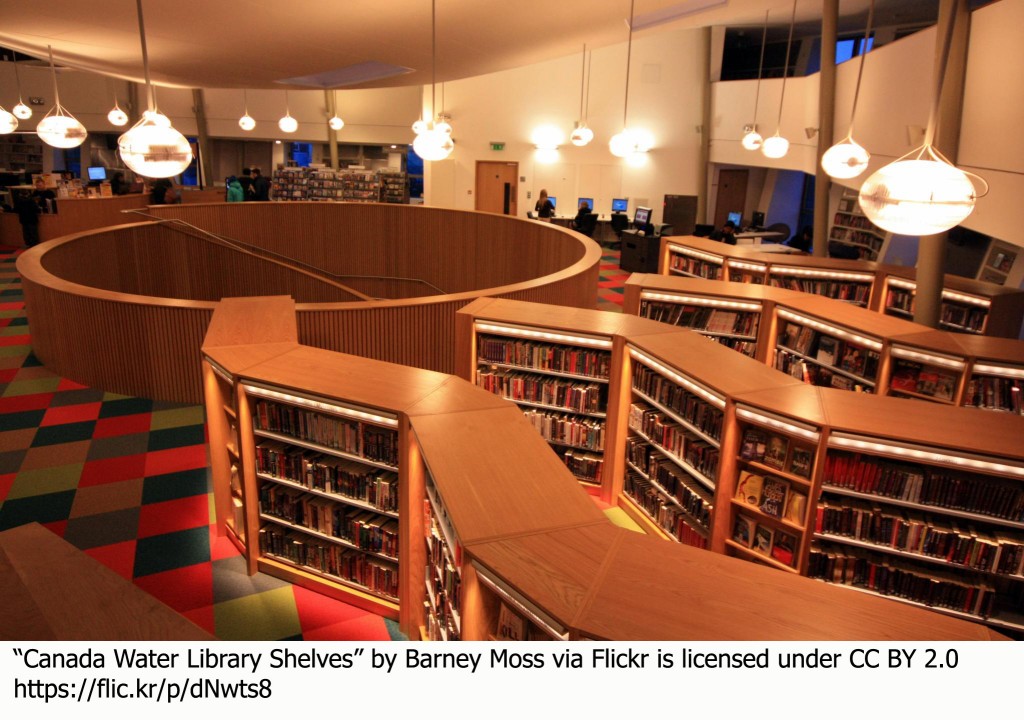
April is an important month for our nation’s libraries. Take the time to celebrate the many ways our libraries contribute to our communities. In a previous post, we explored innovative ways for libraries to attract ethnic populations. Here, we take a look at ways libraries can transform a community. Diverse Communities, Multicultural Library Offerings Libraries have always been a place to read and learn, and have functioned as important community centers. Librarians assess their communities, its needs, and............. CONTINUE READING
At Home, Dual Language, ELLs / DLLs,

FUN WAYS TO LEARN A NEW LANGUAGE

The key to learning a new language is not giving up. But what happens when you become bored or frustrated? The answer: try out a new, fun way of learning. Below are some ideas on how you can learn a new language more effectively, and have fun doing it. Study in a New Place When you study in the same location, day after day, it can get boring rather quickly. Instead of doing all your language studying in your home or college dorm, why............. CONTINUE READING
Community Support, Dual Language, ELLs / DLLs, Language Spotlight,

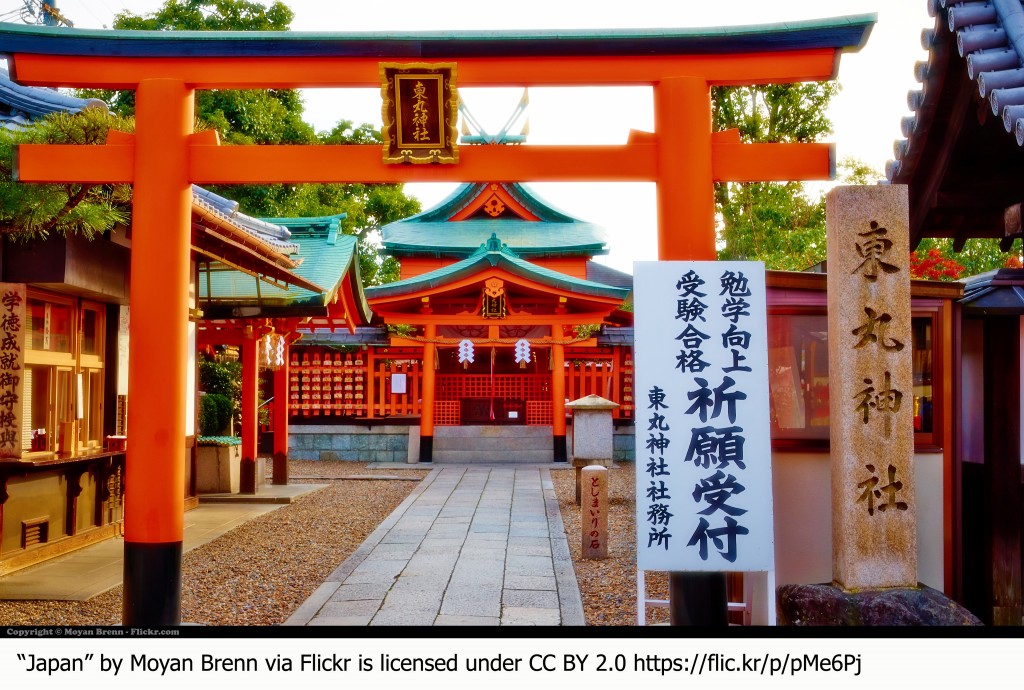
JAPANESE LANGUAGE & JAPANESE BOOKS: FACTS, FIGURES & RESOURCES

Today’s spotlight language is Japanese. Below, we offer background and interesting facts about the language, as well as information to help you find Japanese children’s books. Where is it spoken? Japanese is the national language of Japan, and there are approximately 125 million speakers worldwide. Its origins are unknown, and it has no known linguistic relatives. There are dozens of dialects spoken in Japan, but the main distinctions are between Tokyo-type and Kyoto-Osaka-type. How Many People Speak Japanese in the US? According to the 2011............. CONTINUE READING
Community Support, Grants and Funding,

HEAD START FUNDING OPPORTUNITIES

In our Funding & Grants series of articles, we provide information for educators looking for special funding to help them purchase multilingual resources to support language learners. In a previous post, we focused on Title III grants. Here, we take a look at Head Start funding. Head Start Program – Background Info The Office of Head Start (OHS) is an organization within the US Department of Health and Human Services. It’s government-run, and has............. CONTINUE READING
At Home, Dual Language, ELLs / DLLs, Families,

BILINGUAL BABY BOOKS – 5 TIPS TO GET YOU STARTED

There are so many reasons to read to your baby, especially when you’re raising a bilingual child. Not only is reading a great way to bond, it’s a chance to link spoken words with visual images on the page. And don’t forget to get older siblings involved in the bilingual reading fun! Here are 5 tips to getting your bilingual baby book collection started. Choosing the Right Bilingual Baby Books Your first bilingual............. CONTINUE READING
At Home, Classroom, Community Support, Dual Language, ELLs / DLLs, Language Spotlight, Libraries, Schools,

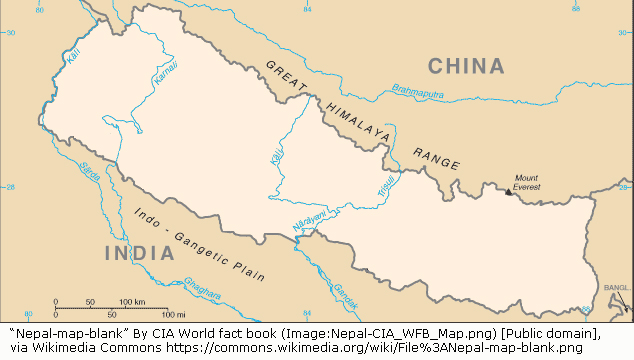
NEPALI LANGUAGE & NEPALI BOOKS: FACTS, FIGURES AND RESOURCES

Today’s spotlight language is Nepali. Below, we offer background and interesting facts about the language, as well as information to help you find Nepali books. Where is it spoken? Nepali is the official language of Nepal, a country in South Asia. It is also spoken in Bhutan, Burma (Republic of the Union of Myanmar), and India. There are about 17 million Nepali speakers around the world. How Many People Speak Nepali in the US? There are relatively large Nepalese communities in New York,............. CONTINUE READING
Classroom, Dual Language, ELLs / DLLs, Libraries, Schools,

PROMOTING DIFFERENTIATED INSTRUCTION & INCLUSIVENESS USING INTERACTIVE TECHNOLOGY AND BILINGUAL AUDIO BOOKS

If a classroom were a puzzle, the students in it would be its pieces. Each piece would have its own shape, or learning style; its own size, or level of readiness. Teachers are trying to reach every student in an effective way with a finite amount of resources. More educators are looking to differentiated instruction and inclusiveness to help them achieve these goals. New technology, like the PENpal Audio Recorder Pen, along with interactive bilingual literacy sets, are helping teachers customize............. CONTINUE READING
Classroom, Community Support, Dual Language, ELLs / DLLs, Libraries, Schools, Teaching Resources,

EDUCATIONAL RESOURCES FOR STUDENT IMMIGRANTS, REFUGEES

The number of immigrant and refugee children has increased over the past decade, and is now the fastest-growing segment in the US youth population. These students face many challenges when adapting to a new life in the US: culture shock, making friends, and learning a new language, just to name a few.  All too often, schools lack the resources to research the best ways to help these students, and miss out on methods developed by other districts............. CONTINUE READING
Scroll to Top