
English Language Learners / Dual Language Learners / Multicultural Education Support – Language Lizard Blog

LANGUAGE & LITERACY BLOG

Giveaways,

KEEP THE KIDS READING $50 GIVEAWAY!

Do you have trouble keeping your children reading over the Summer? With all of the fun things to do for the little ones, sometimes we forget to keep them reading during the summer break to ease their transition back into school during the fall. Luckily, we have a solution for you that might help… How about some NEW books? We’ve teamed up with Erin Howard – Mom Blogger and Editor............. CONTINUE READING
Classroom, Dual Language, ELLs / DLLs, Families, Schools,

NO KIDDING! BILINGUAL BOOKS HELP PREPARE DUAL LANGUAGE LEARNERS FOR KINDERGARTEN, SAYS NEW CECER-DLL REPORT

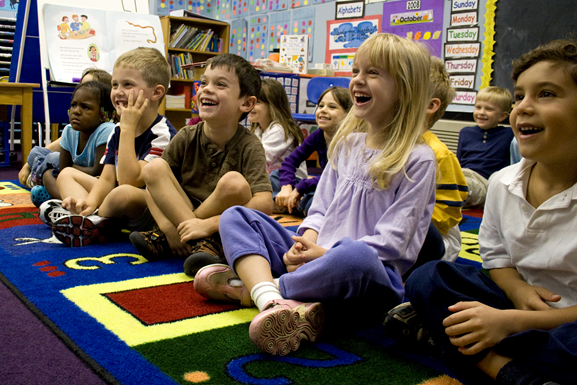
    photo credit: woodleywonderworks @ flickr.com A scary new building.  Big kid chairs.  A terrifying new teacher whose smile may or may not be genuine.  Swarms of giant children rampaging around an unfamiliar playground.  And my daddy’s just gone off and left me… The first day of kindergarten is tough! …Now imagine how much tougher it is for dual language learners (DLLs), lost in an aural fog of language they don’t understand.  Not to mention that they will now be expected to meet a whole............. CONTINUE READING
Classroom, Dual Language, ELLs / DLLs, Schools, Teaching Resources,

USING THE ARTS TO TEACH BILINGUAL CHILDREN

  by Lizzie Davey Because language learning is a creative process, it makes sense to incorporate the arts when teaching languages, especially to children, who are very visual. Using different art mediums, such as music, visual arts, and film connects the left brain (the creative side) to the right (the logical side). This can speed up learning because as new information is being collected, it is being “pattern matched” to what is already stored in the brain. For example, a child may hear the word............. CONTINUE READING
International Folktale Characters,

FEATURED FOLK TALE CHARACTER: BABA YAGA

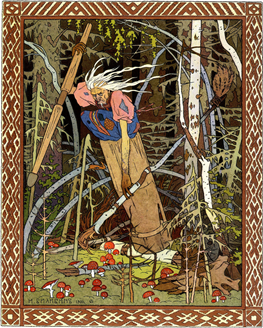
photo credit: Tagada Victoria @ flickr.com Q: Who? Baba Ganoush? Ali Baba?  Yo Gabba Gabba? A: No…Baba Yaga. Q: Never heard of her. A: Well, she’s a mysterious figure from a range of different Eastern European folk tales.  In some, she’s very much the villain: an evil witch with iron teeth who will happily kidnap you and keep you prisoner if she gets the chance.  In others, she’s…well, she’s still the same old iron-tooth crone, but she can be a source of wisdom, help, and advice. Q:............. CONTINUE READING
Classroom, Dual Language, ELLs / DLLs, Schools,

WHAT’S THE REAL HOME LANGUAGE STORY? MAKING YOUR HEAD START CLASSROOM WELCOMING FOR MULTILINGUAL KIDS

  photo credit: meadowsaffron at flickr.com Every Head Start teacher has the privilege and responsibility to make his or her children feel valued and comfortable from day one in the classroom.   Enrollment form information can help with this: knowing all you can about a student’s background will help you to help them get used to their new school.  Sometimes, it’s not easy to be sure you are getting the most accurate information.  Many families who speak a language other than English or have another............. CONTINUE READING
Community Support, Dual Language, Families,

BRINGING UP MULTILINGUAL CHILDREN WITH LESS COMMON HOME LANGUAGES

On a sunny day in London, when the streets are crowded with people enjoying the rare warmth, you can hear an abundance of different languages from the majority migrant groups in the city: families discussing the school day in Somali; teenagers gossiping in Turkish; imams greeting each other in Urdu.   But passing by the shop fronts boasting posters in languages from Polish and Bengali, you won’t hear German or Cape Verdean creole – not unless you go to Andrea and Xaxa’s for............. CONTINUE READING
At Home, Classroom, Families,

WORLD FOLKTALES AND FABLES: EFFECTIVE TEACHING TOOLS EDUCATE & ENTERTAIN CHILDREN

Reading world folktales and fables is not only a wonderful way to entertain and bond with children, it is also an effective way to educate them. The stories in classic folklore offer both social lessons as well as an opportunity to teach about cultures and languages. World Folktales and Fables week is celebrated the third week of each March, so be sure to enjoy a good folktale in your classroom or home! Children love folktales and fables. With their simple characters and............. CONTINUE READING
At Home, ELLs / DLLs, Families,

BUILDING BABY BRAINS WITH TWO LANGUAGES

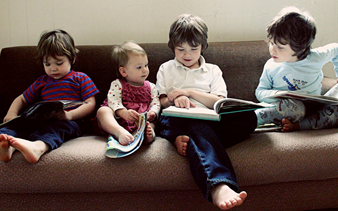
By Karen Nemeth, Ed.M. Photo credit: christine (cbszeto) Learning to talk is one of the biggest jobs a baby has to do – so wouldn’t learning two languages be confusing? The answer is: No! According to the latest research, babies’ brains are so well prepared to analyze, absorb, and make sense of language, that learning in two languages simply comes naturally. Through their research, Dr. Patricia Kuhl of Washington University and her colleagues have found that infants who grow up bilingual maintain............. CONTINUE READING
Classroom, ELLs / DLLs,

BILINGUAL STUDENTS: THE BENEFITS OF NARRATION

As we mentioned in our previous post, Bilingual Students: Using Holiday Celebrations to Promote Language Development in Multicultural Classrooms, bilingual students often have a lot to say right after they return from their winter holidays. They are eager to share activities that they engaged in with family and friends and to talk about the gifts that they may have received. However, once the excitement of returning back to school has worn off, it can be more challenging to............. CONTINUE READING
Classroom, ELLs / DLLs,

BILINGUAL STUDENTS: USING HOLIDAY CELEBRATIONS TO PROMOTE LANGUAGE DEVELOPMENT IN MULTICULTURAL CLASSROOMS

Now that the New Year has arrived and school is back in full swing, students are sure to be filled brimming with enthusiastic stories of what they did during their winter holiday. Ice skating in the park, opening gifts at the fireplace, lighting candles in beautifully wrought candelabras are just a few  activities that children might share with an overjoyed twinkle in their eye. How could they not?! As we all know first-hand, getting students to engage in conversations works best when............. CONTINUE READING
Scroll to Top