English Language Learners / Dual Language Learners / Multicultural Education Support – Language Lizard Blog

Dual Language

At Home, Book Reviews, Dual Language, ELLs / DLLs, Families, Schools,

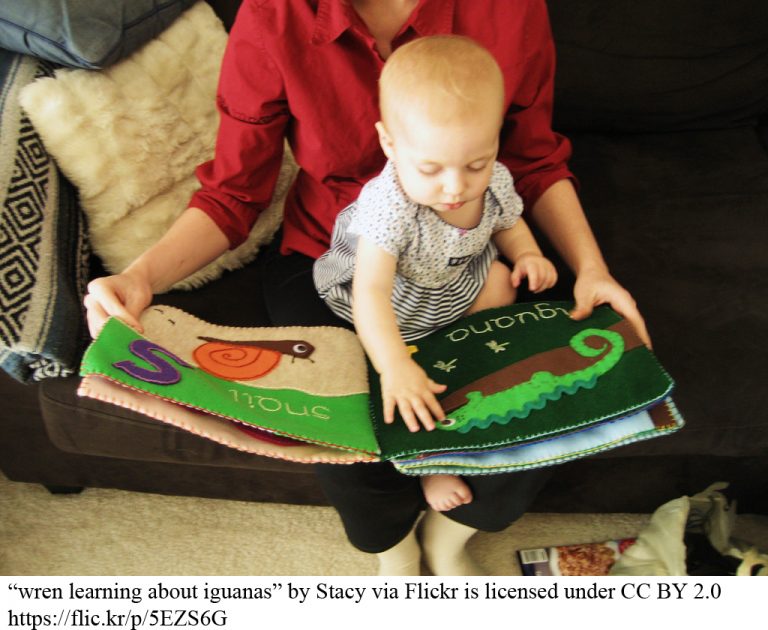
7 FAVORITE BILINGUAL BOOKS FOR BABIES AND TODDLERS

In a previous article, we offered tips to get you started in terms of choosing the right bilingual baby books, making dedicated reading time and reading with enthusiasm. In this post, we would like to offer some of our favorite bilingual books for babies and toddlers. In a recent interview published in the Princeton Alumni Weekly, Casey Lew-Williams, co-director of the Princeton Baby Lab and Princeton assistant professor of psychology, discussed research regarding how young children learn............. CONTINUE READING
At Home, Dual Language, ELLs / DLLs, Families,

ONE-PERSON-ONE-LANGUAGE (OPOL): RAISING BILINGUAL CHILDREN

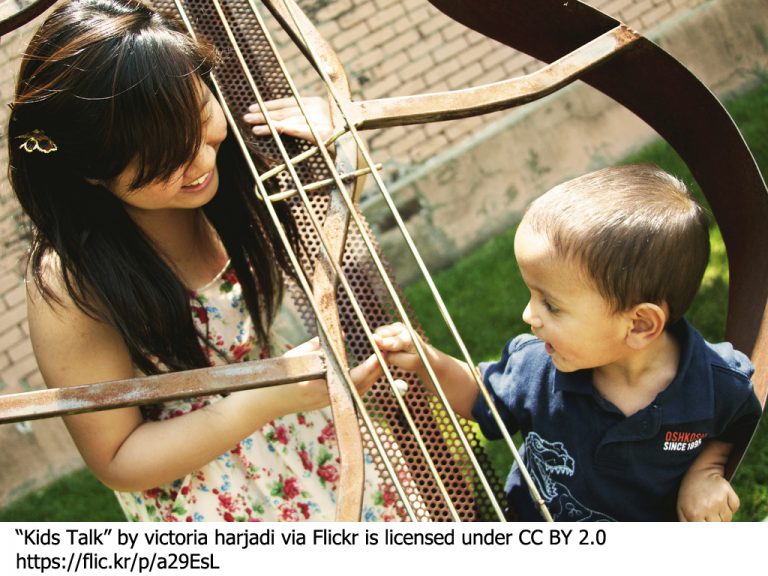
One of the most popular ways to raise a child bilingually is by using the OPOL approach – One Person, One Language. It seems to be one of the easiest ways for children to distinguish between languages, because they become aware that they should speak a different language with different people. Using our family as an example: I am a native English speaker and my husband is a native Italian speaker. We live in Italy and both speak each other’s language, however............. CONTINUE READING
At Home, Classroom, Dual Language, ELLs / DLLs, Libraries, Schools,

BRANCHING OUT: IDIOMS & LANGUAGE LEARNERS

Learning a new language is hard work – definitely no walk in the park! As a teacher, parent or student, you may find yourself so busy with the basics of vocabulary, pronunciation and grammar that you’re hesitant to add any more work. But idioms – sayings with a shared meaning in a community, which aren’t decipherable from their words alone – are an important part of language learning, too. Read on for some helpful tips to “pave the way” to learning idioms in a............. CONTINUE READING
At Home, Classroom, Dual Language, ELLs / DLLs, Holidays, Libraries, Schools,

5 FUN & EASY WAYS TO CELEBRATE DIVERSITY

It’s always a great time to celebrate diversity in your classroom and home, but October is special because it’s also Celebrating the Bilingual Child Month! Language Lizard will soon announce a huge giveaway in honor of the occasion… In the meantime, we offer 5 fun and easy ways to celebrate diversity today! Foods from Around the World Trying out a new dish from a different part of the world is delicious, fun and educational – a sure win! You might love trying a bit............. CONTINUE READING
Classroom, Dual Language, Libraries, Schools,

3 STEPS TO BUILD A LENDING LIBRARY IN YOUR CLASSROOM

Have you ever considered creating a lending library in your classroom? They can be an especially great resource for bilingual students and their families. When students see books in their home languages, it can be comforting and a source of pride, and can encourage acceptance of diversity in all of your students. A classroom lending library can inspire a love of reading in students, and increase parental involvement. In the past, we’ve written posts about the increasing need for multicultural............. CONTINUE READING
At Home, Dual Language, ELLs / DLLs, Language Spotlight,

CHINESE LANGUAGE & CHINESE CHILDREN’S BOOKS: FACTS, FIGURES & RESOURCES

Today’s spotlight languages are Mandarin and Cantonese – two languages spoken in China. Get some background info and interesting facts about the language, and recommendations for children’s books in Mandarin and Cantonese.  Interested in learning about more languages?  Check out our series of posts on various world languages including Hindi, Russian, Japanese and French! Where is it spoken? Mandarin (sometimes referred to as Standard Chinese) is the official language of China, Taiwan, and Singapore. Nearly 1 billion people around the world speak Mandarin, more............. CONTINUE READING
Classroom, Dual Language, ELLs / DLLs, Schools, Teaching Resources,

NEWCOMER TOOLKIT: SUPPORTING NEW IMMIGRANT STUDENTS

In the past, we’ve written about online resources that can help educators trying to accommodate an increasingly diverse student population, as well as tips to make the critical first days of school go more smoothly for bilingual students in your classroom. Today, we take a look at the US Department of Education’s recently updated, detailed Newcomer Toolkit, designed to help educators (teachers, principals and school staff) working with foreign-born students who have recently arrived in the US. In addition to............. CONTINUE READING
At Home, Dual Language, Language Spotlight,

FRENCH LANGUAGE: FACTS, FIGURES & FRENCH CHILDREN’S BOOKS

Today’s spotlight language is French. We have background and interesting facts about the language, as well as information to help you find children’s books in French.  Interested in learning interesting facts about other languages?  Check out our series of posts on various world languages including Hindi, Russian and Japanese! Where is it spoken? French is the official language of France, and it is one of the most widely spoken languages in the world. There are about 300 million French speakers worldwide. It has official status............. CONTINUE READING
At Home, Dual Language, ELLs / DLLs,

3 CONTROVERSIES IN BILINGUAL EDUCATION

by guest blogger Rachael Everly The benefits of both learning and speaking many languages are well documented in our ever-shrinking world. Language can shape our view of the world and as more and more people become engaged in international business and travel it’s important for adults to have a working knowledge of, and fluency in, various languages and cultures on a global scale.  Not surprisingly, Mandarin Chinese is the language most used for business after English. Mandarin is spoken by over............. CONTINUE READING
At Home, Classroom, Dual Language, ELLs / DLLs, Families, Schools,

WHY YOUR CHILDREN SHOULD LEARN A LESS COMMONLY TAUGHT LANGUAGE

by guest blogger Susan Cazenavette Herrick Siu More than 300 distinct languages other than English are now spoken in the United States. According to the U. S. Census Bureau, those with the most native speakers in this country are Spanish, Chinese, Tagalog, French, Vietnamese, German, and Korean (all with numbers of speakers in the millions), followed by Russian, Arabic, and Italian. Other languages with large numbers of speakers (in no particular order) include Portuguese, French Creole, Yiddish, Greek, Polish, Hebrew, Hungarian, Navajo,............. CONTINUE READING
Scroll to Top