English Language Learners / Dual Language Learners / Multicultural Education Support – Language Lizard Blog

Families

At Home, Classroom, Families, Schools, Teaching Resources,

5 BACK TO SCHOOL TIPS – BILINGUAL & MULTICULTURAL CLASSROOMS

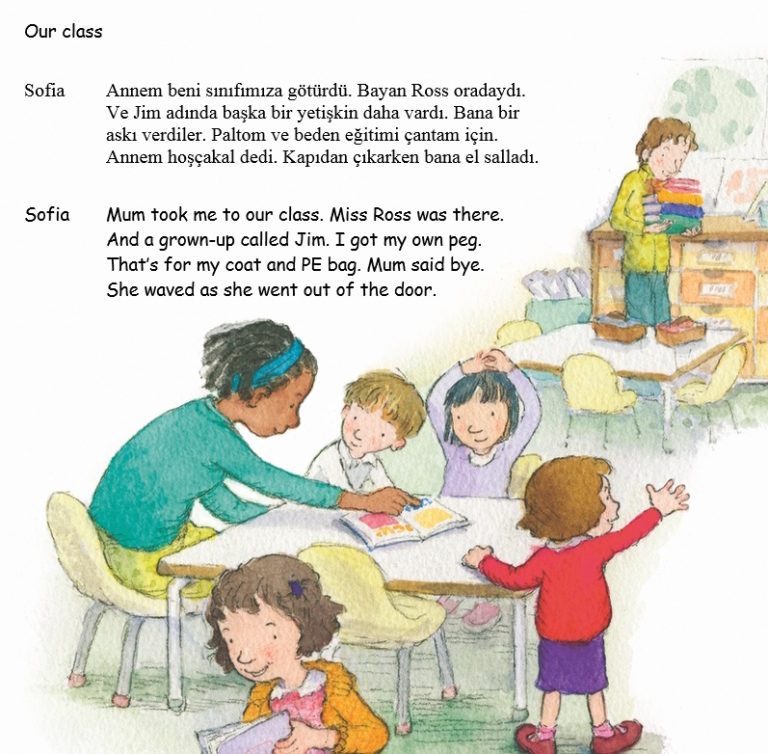
© Language Lizard 2019 You may be a teacher, on the brink of a brand new school year. Or a parent, with kids preparing to head into a new classroom. Here are some of our favorite back-to-school tips and resources to get the school year off to a great start. 1. Prepare a Welcoming Classroom As you’re organizing shelves and deciding on the optimal classroom layout, remember to consider the needs of your bilingual students. Now is............. CONTINUE READING
At Home, Families, Holidays, Multicultural,

UNIQUE MULTICULTURAL GIFTS FOR THE HOLIDAYS

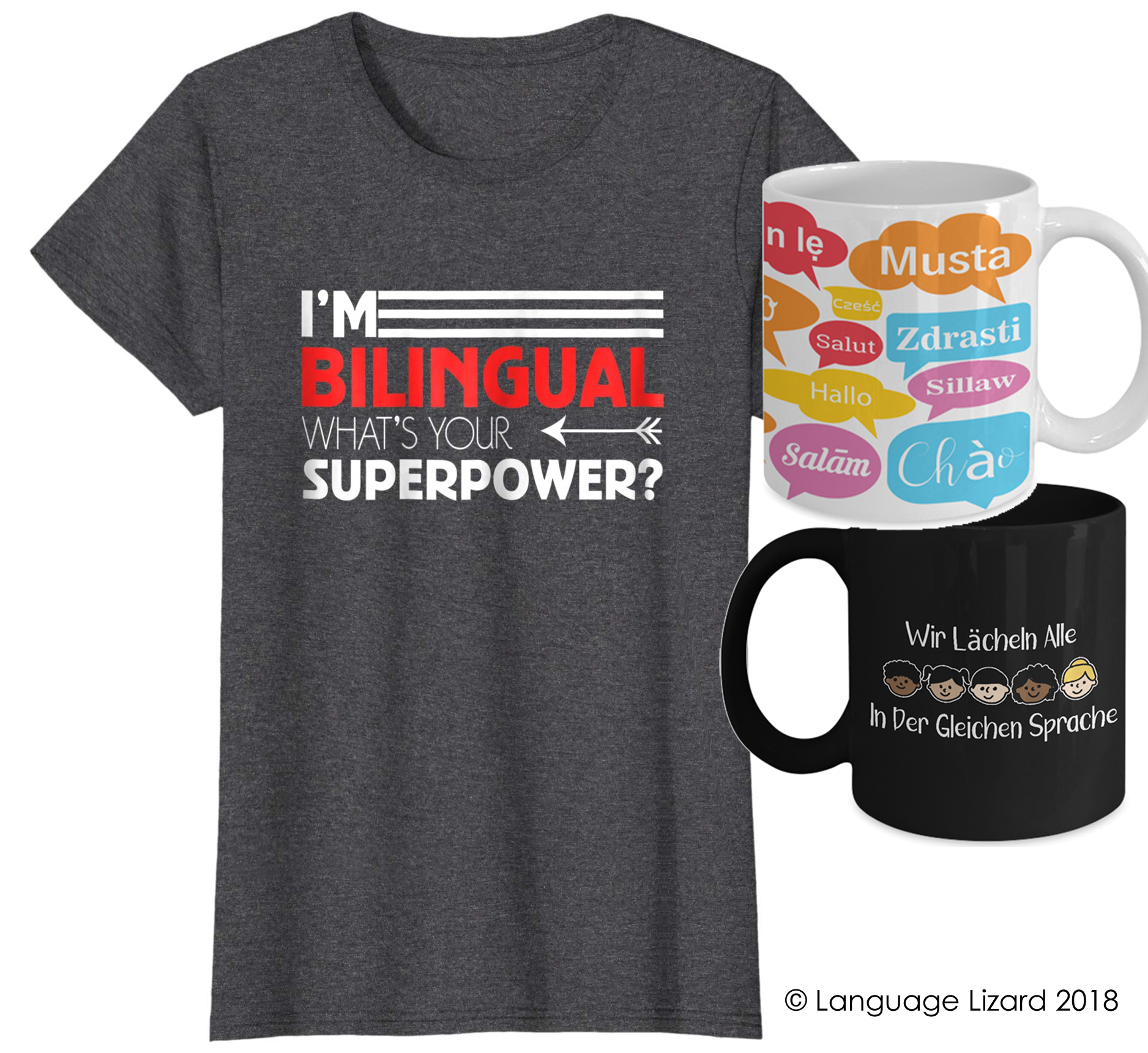
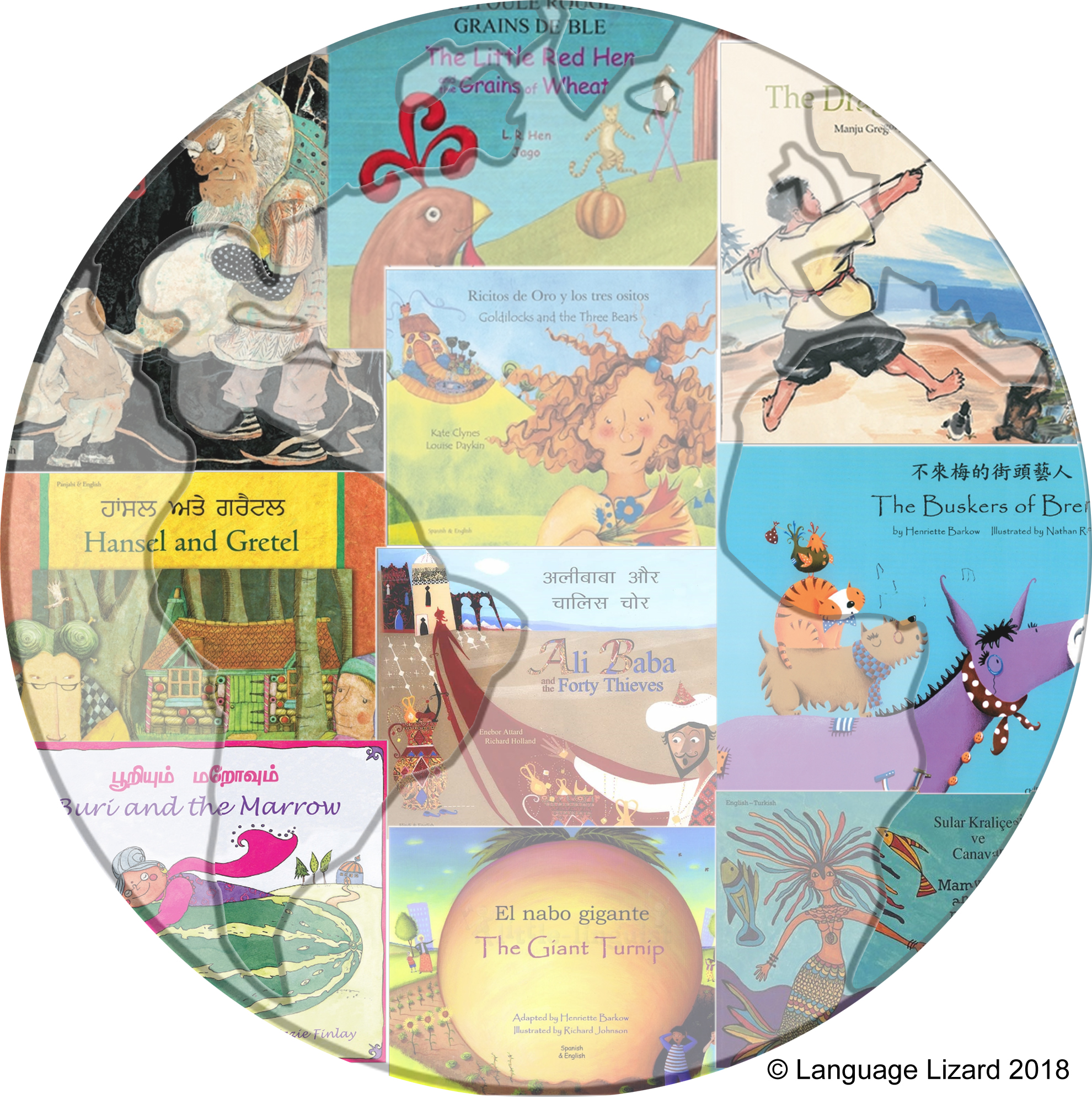
Celebrate diversity and show your support for bilingualism with these fun and unique gifts! Perfect for bilingual students and teachers in diverse classrooms. Discounts on ALL Bilingual Book Sets – Available in 40+ languages! We hand-selected our most popular titles for bilingual book sets to save you time and money. All books include English and one other language of your choice. Tailored to meet the language needs of teachers and librarians, they make ordering............. CONTINUE READING
At Home, Families, Holidays,

BILINGUAL SUMMER READING LIST

Whether your summer is action-packed or laid back, there are stretches of time that are perfect for getting in some bilingual reading. But what books are perfect for the long ride to grandma’s, or the quiet afternoon by the lake? We’ve brought together some of our favorite summertime reads that are sure to appeal to kids of all ages and interests. Bonus: They’ll be improving their bilingual skills. Our titles are available in English with your choice of over 50 languages! Books About............. CONTINUE READING
At Home, Families, Holidays,

MULTICULTURAL LEARNING ACTIVITIES FOR SUMMER

With summer here, many parents find themselves asking the same question: What should I do with the kids until school starts up again? There’s no reason you can’t make language and cultural learning part of your summer break routine! Games These 5 multicultural games from around the world are a simple way to get moving and playing together! Try a rousing game of 1, 2, 3 Dragon, or a few rounds of Palm Ball. It’s a great way to stay active............. CONTINUE READING
At Home, Families, Multicultural,

5 MULTICULTURAL GAMES FOR KIDS TO TRY THIS SUMMER

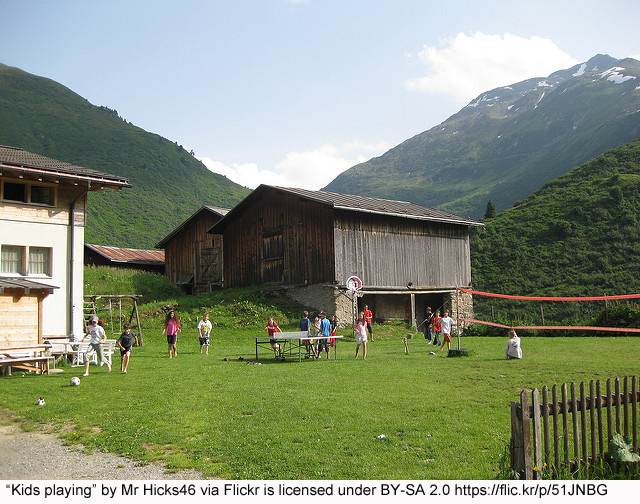
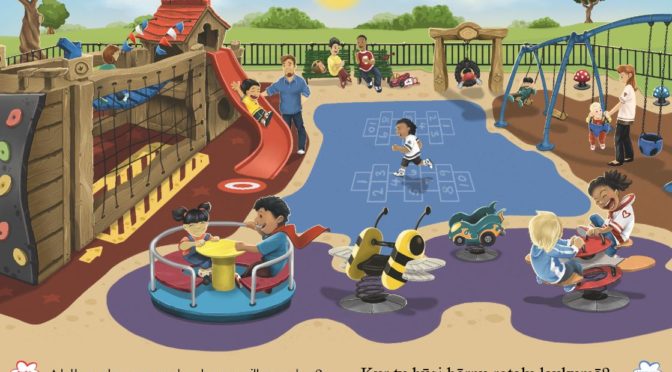
If you’re looking for something fun to do this summer, give these multicultural games from around the world a try! From games that you can play in a group, to one-on-one games, they are perfect for all ages. Get your kids or campers outdoors to play a fun round of Catching Stars or a competitive game of Hoops! It’s a great way to stay active this summer while learning about different cultures. STALKER (Botswana) In this enjoyable group game, two players are chosen............. CONTINUE READING
At Home, ELLs / DLLs, Families,

HOME LANGUAGE MAINTENANCE STRATEGIES

In previous posts, we’ve discussed the benefits of home language maintenance. However, many parents struggle to maintain the home language (HL) for a variety of reasons. Here, we offer some concrete suggestions that parents can use with elementary-aged children, to ensure they receive the cognitive, cultural and professional benefits of bilingualism. Teachers can share the following strategies with parents and even provide assignments that will support HL maintenance. Educators can also build bilingual book libraries............. CONTINUE READING
At Home, ELLs / DLLs, Families,

BENEFITS OF HOME LANGUAGE MAINTENANCE, FROM PARENTS’ PERSPECTIVES

Nearly one in three U.S. children live in a household where a language other than English is spoken, but are the same number of children fluent in their home language? Actually, many parents struggle to maintain the home language for a variety of reasons: when spoken to in the home language, children respond in English; some teachers encourage English only at home (the perception that another language confuses children is false); parents, their children and many societal groups view home languages as............. CONTINUE READING
Scroll to Top