English Language Learners / Dual Language Learners / Multicultural Education Support – Language Lizard Blog

LANGUAGE & LITERACY BLOG

At Home, Classroom, ELLs / DLLs, Libraries, Schools,

NEW MULTILINGUAL “TALKING” CHARTS: ENGLISH, GEOGRAPHY, STEM (FOR USE WITH PENPAL RECORDER PEN)

Language Lizard is pleased to announce new multilingual “talking” charts that allow students to hear explanations of key terms in English, geography, math & science in many different languages, including English, Spanish, Arabic, Chinese and Russian. These charts are invaluable resources for teachers who support a linguistically diverse student body. Using these charts with the PENpal Audio Recorder Pen, newcomers and English Language Learners (ELLs) can hear key terms explained in their native languages, allowing for a better understanding............. CONTINUE READING
Community Support, Dual Language, ELLs / DLLs,

“IN PLAIN ENGLISH?” ENGLISH LANGUAGE LEARNING IN THE U.S.

The US is a country of many languages. In public schools, about 10 percent (4.5 million) of all kids are English Language Learners (ELLs). Of those ELLs, Spanish is the first language of about 71 percent, but there are hundreds of different languages spoken in US schools. Any one school can have a dozen or more languages spoken by its students. Schools put different types of learning programs in place to help students transition to speaking English. One example is sheltered instruction, which combines............. CONTINUE READING
At Home, Classroom, Dual Language, ELLs / DLLs, Teaching Resources,

USING COGNATES TO SUPPORT SECOND LANGUAGE AND LITERACY LEARNING

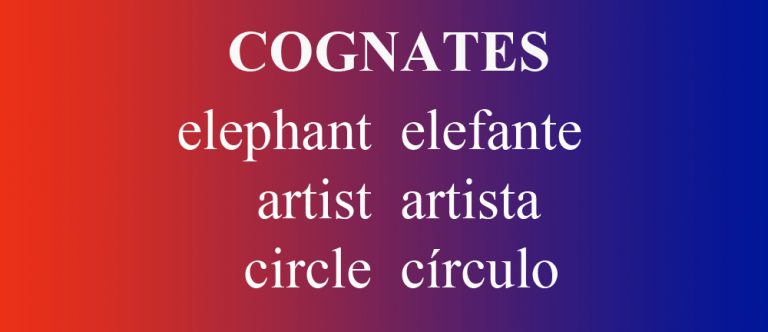
by guest blogger Karen Nemeth EdM Cognates are pairs of words that sound alike and have the same meaning in two different languages. They are useful first steps in learning a new language. How Do Cognates Work? In English we say “elephant” and in Spanish we say “elefante.” English and Spanish speakers can easily make the connection between these cognates to learn and remember the animal’s name. In English, we say “frog” but in Spanish we say “rana.” Frog and rana are not cognates,............. CONTINUE READING
Classroom, Dual Language, ELLs / DLLs, Libraries, Schools,

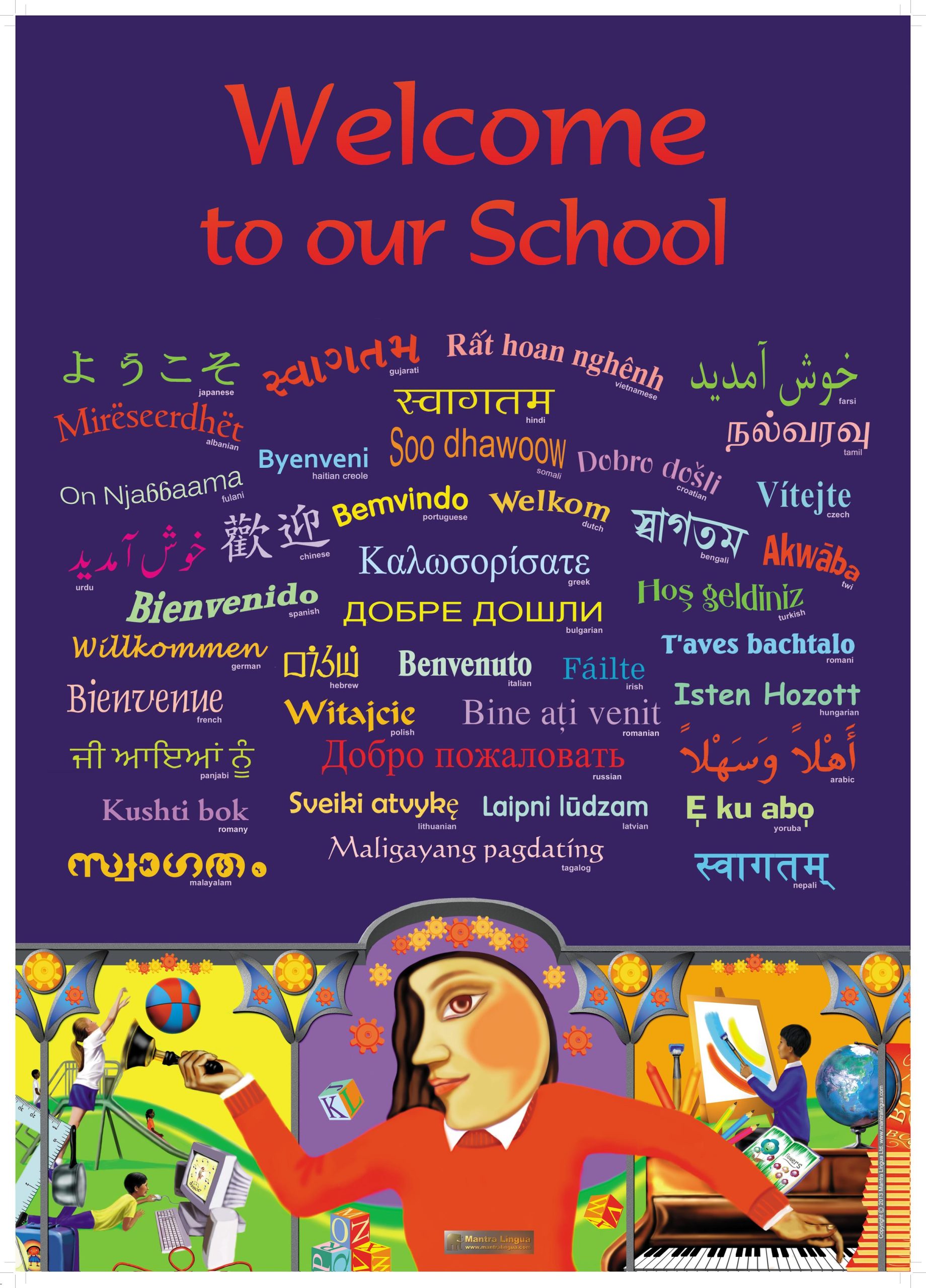
“HELLO” & “WELCOME” IN DIFFERENT LANGUAGES: MULTICULTURAL POSTERS CELEBRATE CULTURAL DIVERSITY & WELCOME NEWCOMERS

Teachers want to make children feel valued and comfortable from the day they arrive at school.  One of the first things a child or caregiver will notice when they enter a new classroom is the way it looks. Imagine if one of the first things a child sees is a poster that says “Welcome” in different languages, including their own! Or if they are greeted with “Hello” in different languages! Newcomers who do not speak English well, and............. CONTINUE READING
At Home, Classroom, Community Support, Families, Giveaways, Holidays, Libraries, Schools,

MULTICULTURAL BOOKS FOR NATIONAL READING MONTH & GIVEAWAY!

National Reading Month is a great time to try out a new multicultural book with your little ones! Celebrate with fun, diverse children’s books that introduce them to different cultures. And don’t miss out on the Multicultural Stories Giveaway we are co-sponsoring with our friends at I Teach K-2! What is National Reading Month? Every March, National Reading Month kicks off with NEA’s Read Across America, which celebrates the birthday of the beloved Dr. Seuss. All month long, organizations across............. CONTINUE READING
Classroom, Holidays, Lesson Plans, Schools, Teaching Resources,

HOLI FESTIVAL + WORLD FOLKTALES & FABLES WEEK: NEW LESSON PLANS & DISCOUNT

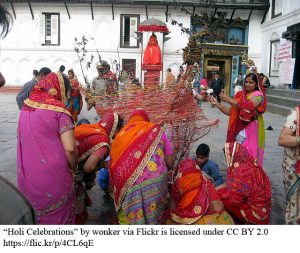
We’re excited to share new, free multicultural lesson plans you can use to celebrate two fun upcoming holidays: Holi “Festival of Colors” (March 13, 2017) Holi , also known as the Festival of Colors,  is a popular springtime festival celebrated in many parts of South Asia and around the world.  This festival celebrates the coming of spring and the end of winter. It is also a day to give thanks for a good harvest. It’s a time to forgive and forget, be with............. CONTINUE READING
Community Support,

5 REFUGEES MAKING AMERICA GREAT

There has been a lot of discussion and debate regarding refugees, with some people expressing concerns that letting in refugees will increase terrorism, while others fear that the recent proposed limitations imposed by an executive order have caused the US to lose its moral compass. In the midst of this conversation, it can be easy to forget the human faces behind the term “refugee.” What is a refugee? According to international refugee law, a refugee is one who seeks refuge in a foreign country............. CONTINUE READING
At Home, Classroom, Community Support, Families, Schools,

CELEBRATE DIVERSITY AND EASE ANXIETY: SUGGESTIONS FOR KIDS & ADULTS

Right now, our lives are permeated with emotionally charged discourse about political and social upheaval. When you think about how much news media, social media and personal conversations we’re exposed to, it’s very likely our kids and students are aware and possibly experiencing anxiety about what they hear and see going on in the world around them. We all may feel disheartened with the current events that are dividing us as people, and as a nation. If you’re worried that the children in............. CONTINUE READING
At Home, Book Reviews, Dual Language, ELLs / DLLs, Families, Schools,

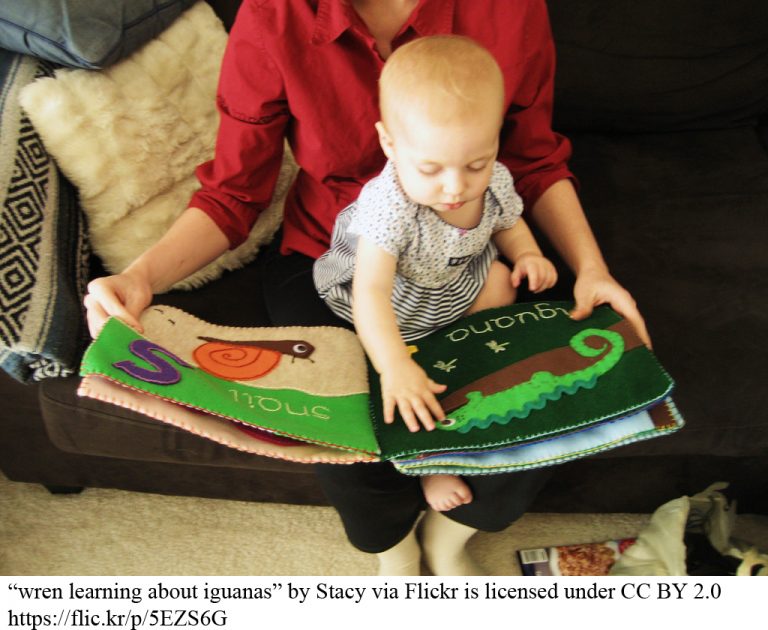
7 FAVORITE BILINGUAL BOOKS FOR BABIES AND TODDLERS

In a previous article, we offered tips to get you started in terms of choosing the right bilingual baby books, making dedicated reading time and reading with enthusiasm. In this post, we would like to offer some of our favorite bilingual books for babies and toddlers. In a recent interview published in the Princeton Alumni Weekly, Casey Lew-Williams, co-director of the Princeton Baby Lab and Princeton assistant professor of psychology, discussed research regarding how young children learn............. CONTINUE READING
Classroom, Libraries, Schools, Teaching Resources,

HOW TO CREATE A CLASSROOM LISTENING CENTER

If your classroom or library makes use of learning centers, you may be thinking about setting one up as a listening center. Students of all ages and levels, especially English language learners, benefit from this type of interactive, multi-sensory learning. Below, we offer some tips to help get your listening center up and running. Make a Listening Center Plan What type of Listening Center best suits your classroom? Would you like your students to focus on literacy gains and improve comprehension and vocabulary? Or do............. CONTINUE READING
Scroll to Top