
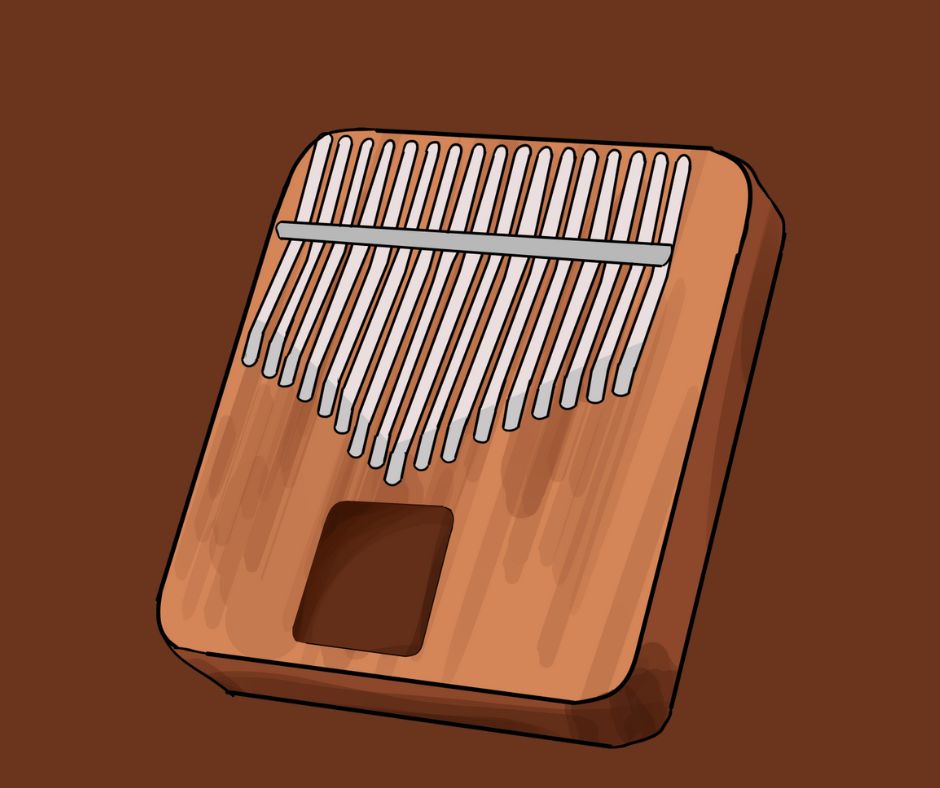
The thumb piano, originating in Africa, is known for its captivating sound, distinctive design, and portability. This instrument exists in many varieties and is known by different names. It belongs to the lamellophone family, which produces sound through vibrating tines attached to a soundboard. Deeply embedded in African culture, it holds significant cultural and spiritual importance. The recognition of mbira music by UNESCO Intangible Cultural Heritage highlights its cultural significance.
History
The thumb piano can be traced back over 3,000 years and is found in various cultures across Africa, Europe, and beyond. It is a percussion instrument with metal tines (keys) mounted on a resonator, traditionally made from a hollowed-out piece of wood or a gourd. The instrument is played by plucking the tines with the thumbs, giving it its name.
Also Known As
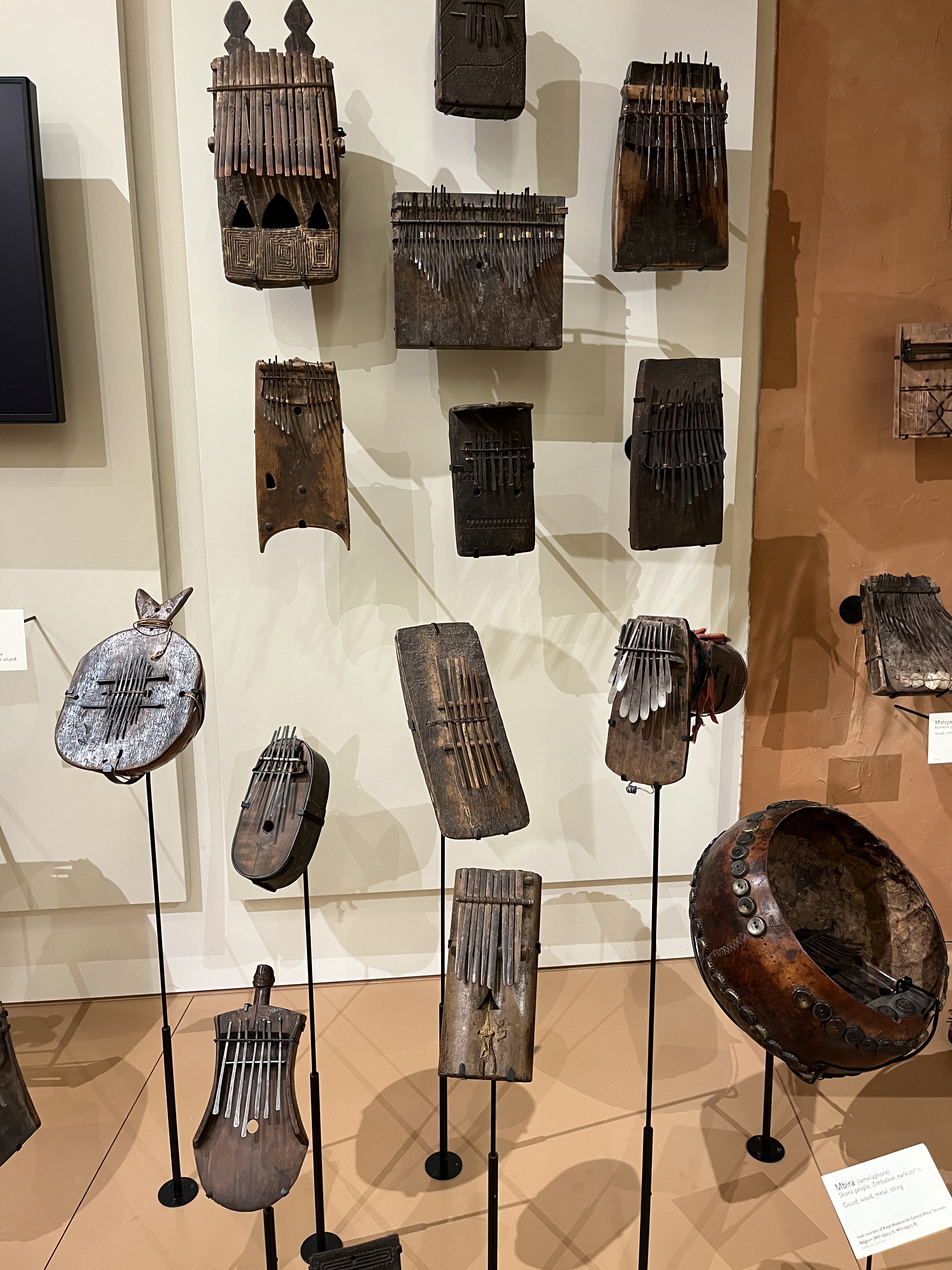
“Thumb piano” is an informal term commonly used in English, but the thumb piano is also known by a variety of names across Africa and in modern music. Each variation may differ in the number of keys and tuning style. They include:
Mbira: From the Shona language of Zimbabwe, Mbira is widely used and recognized as the original and culturally significant name for the instrument. It has a double row of keys and features a non-Western scale.
Kalimba: Popularized in the mid-20th century by Hugh Tracey, this smaller version often refers to a modern or Westernized version of the thumb piano.
Karimba: Played in Uganda and other parts of Central Africa, the Karimba has a double row of keys with 17 notes and is African-tuned. The term Karimba is often used to refer to a family of closely related instruments, including the Mbira Nyunga Nyunga, which has a double row of keys with 15 notes.
Sanza: This version is popular in the Democratic Republic of the Congo and other regions.
Likembe or Likumbe: Both are common in the Congo and surrounding areas.
Kadongo and Akogo: These variants are found in Uganda.
Marimbula and Marimba: These variations are popular in the Caribbean and Latin America.
Other regional names include: finger harp, gourd piano, ikembe, kilembe, mbla, sansa, sansu, timbrh, and zanzu.
How To Play
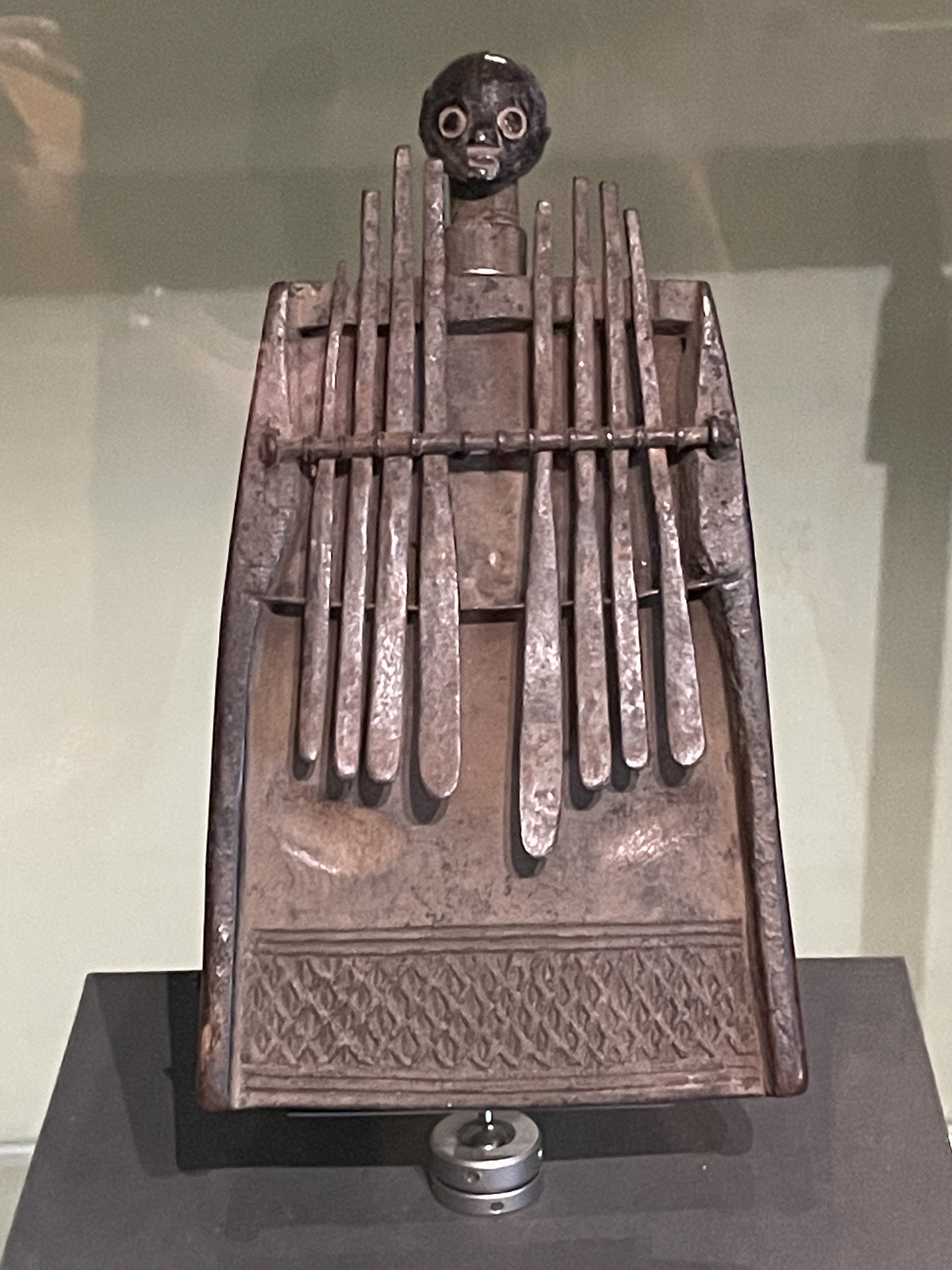
The basic playing technique involves holding the instrument with both hands and using the thumbs to pluck the tines to produce sound. Music for this instrument is usually written in tablature format that shows which tines to play along with the sequence and rhythm, which makes it easy for beginners.
Global Popularity
The thumb piano has gained global popularity due to its ease of use, unique sound, and presence on social media platforms. Additionally, the thumb piano has gained traction in contemporary music as it has been adapted and incorporated into various music genres beyond traditional music, including film scores, video game soundtracks, and more.
Learn More
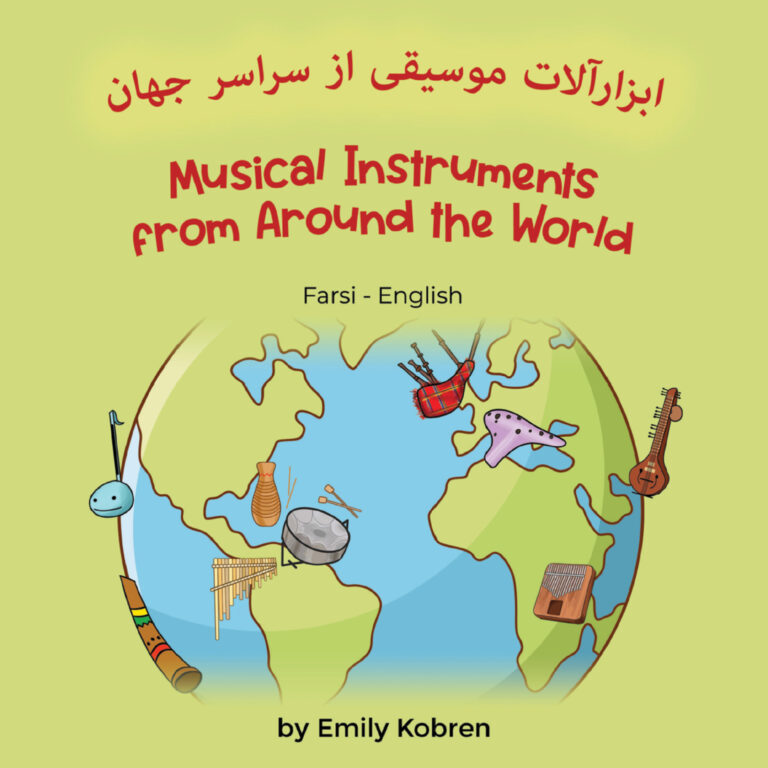
Check out Musical Instruments from Around the World to learn more about unusual and fun instruments from diverse cultures and locations. Part of the Language Lizard Explore collection, it is available in both English and 21 bilingual editions. This multicultural book includes free lesson plans, extension activities, and audio. The book will appeal to all ages, including older language learners.